Tuscany town guide
Retiring in Lucca
One of the easiest landings in Italy for an American retiree who wants to live without a car. Flat, walled, walkable, well served, and priced accordingly.
Last reviewed
The overview
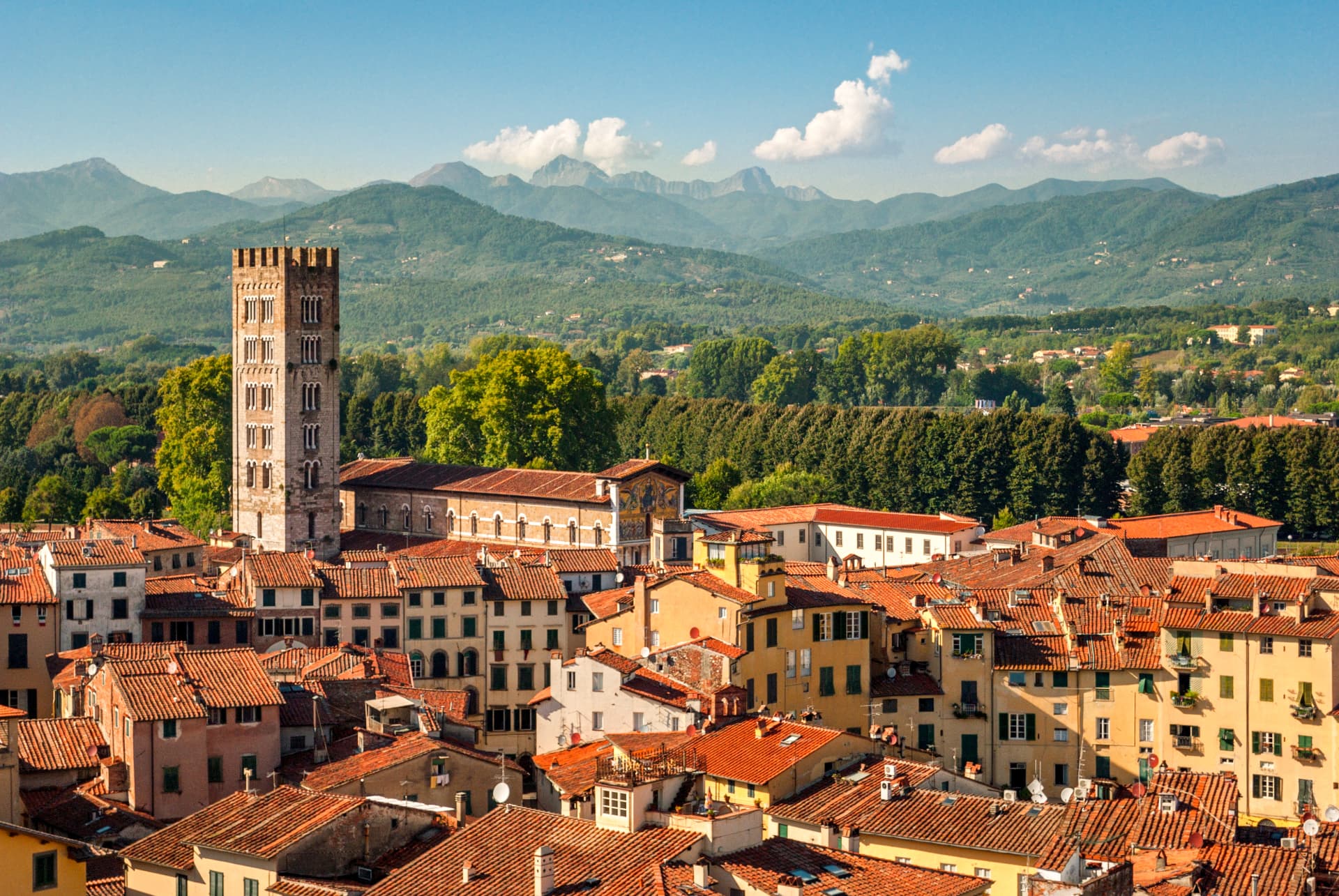
Lucca is a small Tuscan city inside intact renaissance walls, on the plain rather than in the hills, which makes it unusually flat and unusually easy to walk at any age. The walls themselves function as a park and a circuit that residents use daily.
It has the things that matter for year round life rather than for a holiday: a hospital, a rail station on the line toward the coast and Florence, weekly markets, an active concert and festival calendar, and enough foreign residents that you can find English speaking company while you learn Italian.
The cost of that convenience is real. Lucca is a well known city in a well known region, and housing inside and near the walls is priced for demand that includes second home buyers.
At a glance
A practical planning snapshot, not a substitute for checking current housing, transport, and healthcare details for a specific address.
- Estimated monthly budget
- Varies by housing and lifestyle; compare current local listings before budgeting
- Housing
- Premium inside the walls, more moderate in the surrounding neighborhoods
- Nearest major airport
- Regional airports within about an hour, with major hubs reachable by rail
- Healthcare access
- Hospital serving the city, with larger centers in reach by train
- Train and public transport
- Rail links plus local buses, and most daily errands on foot
- Car needed
- No
- Climate
- Warm summers, cool damp winters, rarely extreme
- English accessibility
- Comparatively high for a small Italian city
What works here
- Genuinely flat and walkable, which matters more with each decade.
- Real year round city life rather than a season that empties in November.
- Hospital, rail station, markets, and cultural programming in one compact place.
- An established foreign community, so arrival is less isolating.
The tradeoffs
- Housing costs reflect the city's popularity, especially inside the walls.
- Tourist volume is significant in the warm months.
- Winters are damp and older buildings can be expensive to heat.
- You pay a premium relative to comparable towns in the south.
Neighborhoods and nearby towns
Outside the walls
More space and lower prices, a short walk or bus from the center
The coast
Reachable by rail for a change of air and summer heat relief
Florence and Pisa
Larger city services and international connections by train
Who this suits
- Retirees who want to live without owning a car.
- People who value walkability and flat terrain over dramatic views.
- First time movers who want an easier social and administrative landing.
Related places and guides
Sources and references
We cite primary and official sources wherever possible. Requirements change, so treat these as starting points and confirm current details directly.
- 1.Regional health service structureTuscan regional health authority. Hospital and specialist provision is administered regionally.
- 2.Rail timetablesItalian rail operators. Verify current connections and journey times from the station itself.
- 3.Local property listingsRegional real estate market. The practical source for current rents and asking prices by neighborhood.
Newsletter
Get the Italy Retirement Checklist
One email at a time on visas, taxes, healthcare, housing, and places. Start with our planning checklist for Americans.